
Watts Towers and Tour
DETAILS:
Location: 1727 East 107th Street Los Angeles, California 90002
Hours: Tours - Thursday thru Saturday: 11AM to 3PM
Tours depart every half-hour except for staff lunch break between 12:30PM to 2PM
Parking: Free street parking nearby
Cost: $12 adults / $6 students & seniors / minors are free!
Time Commitment: 30 min for the tour
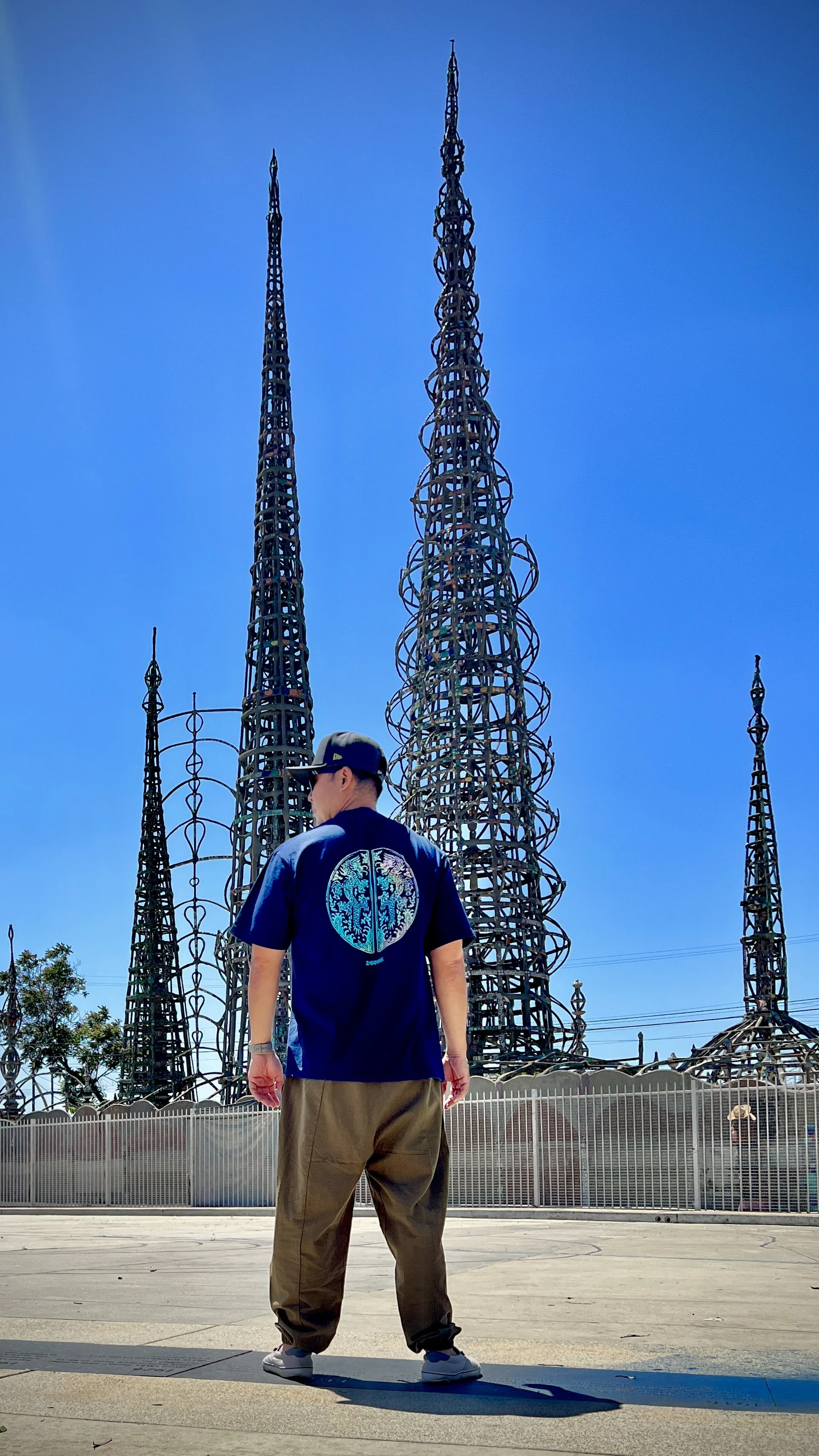
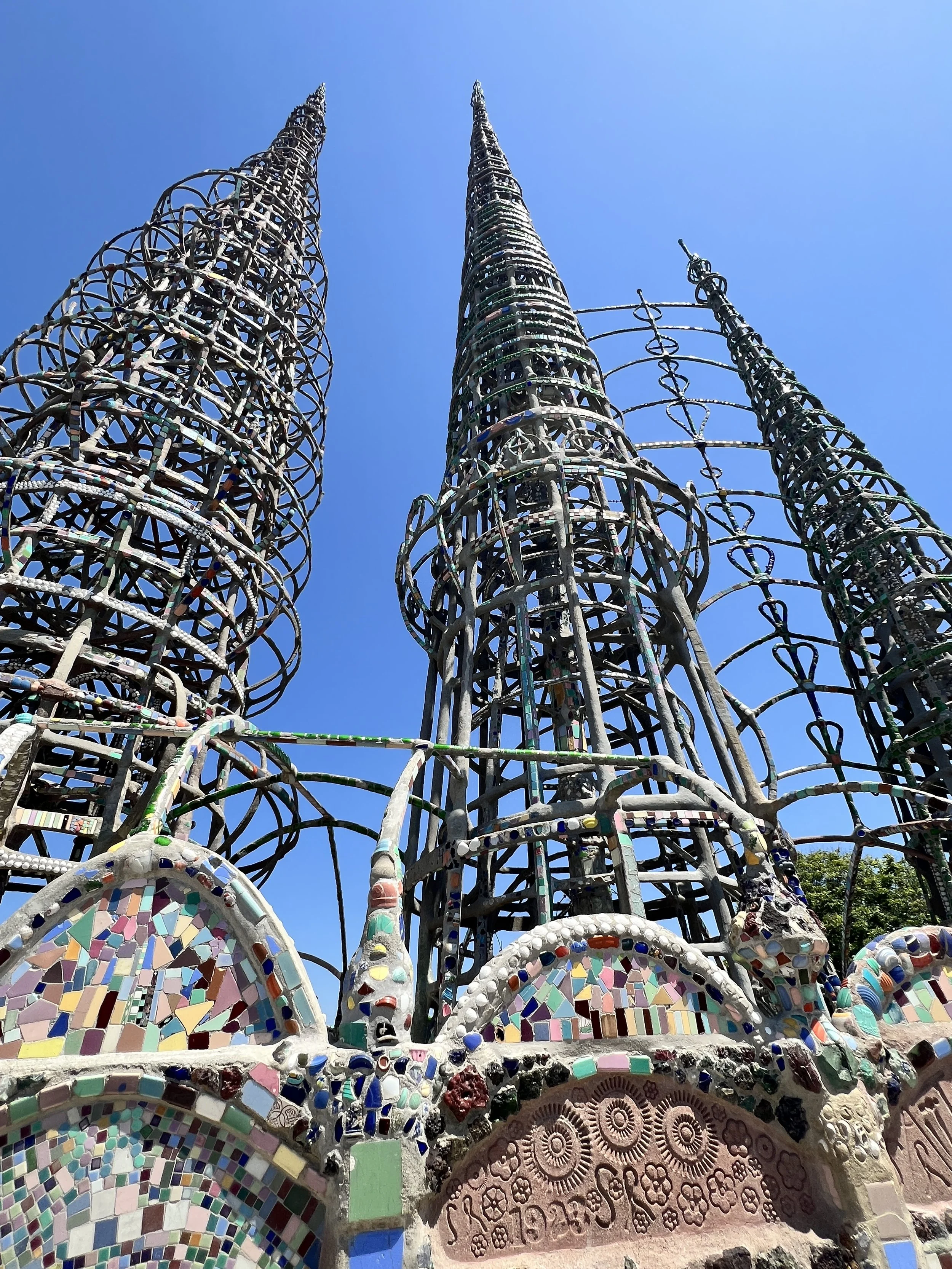
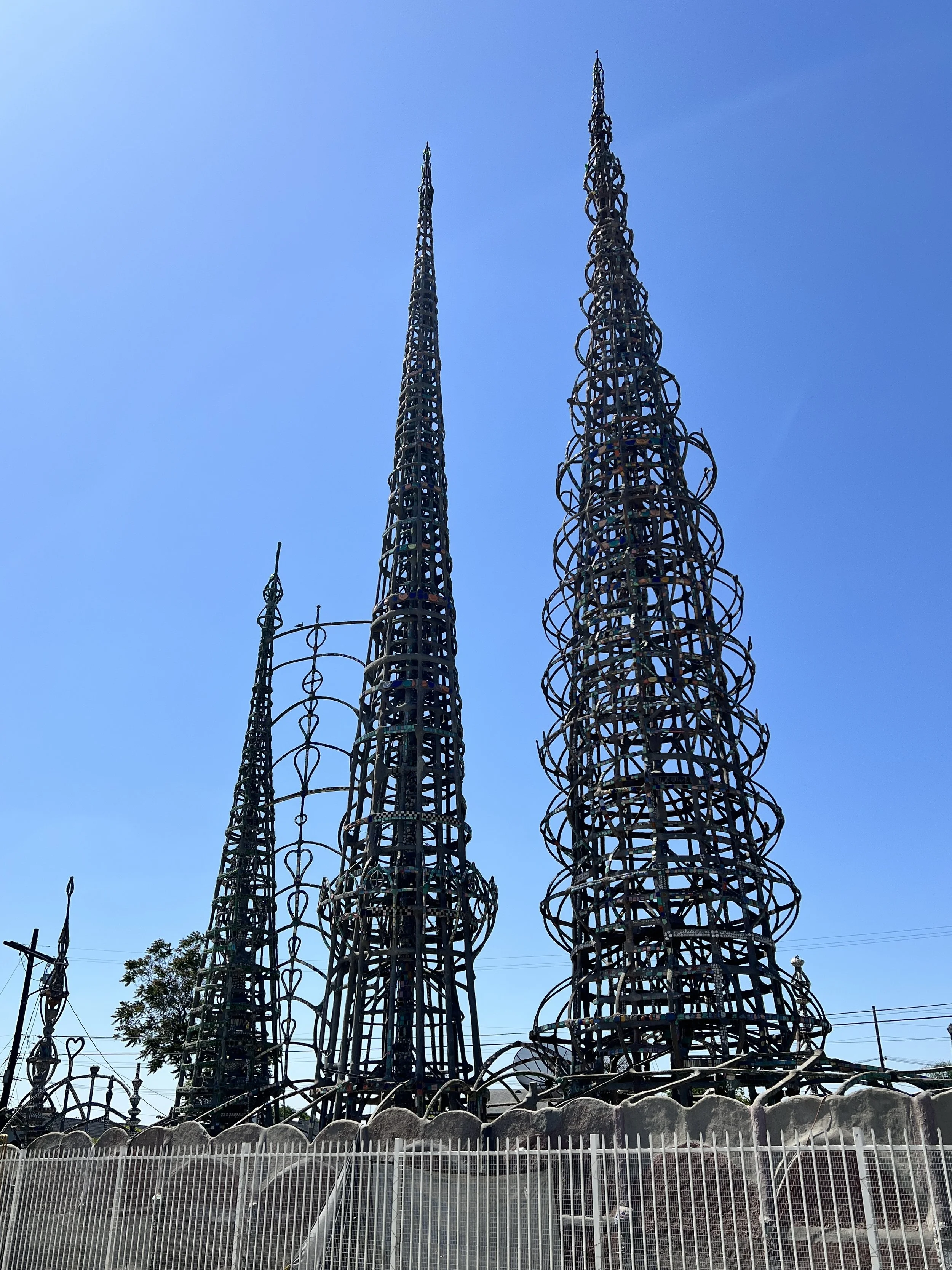
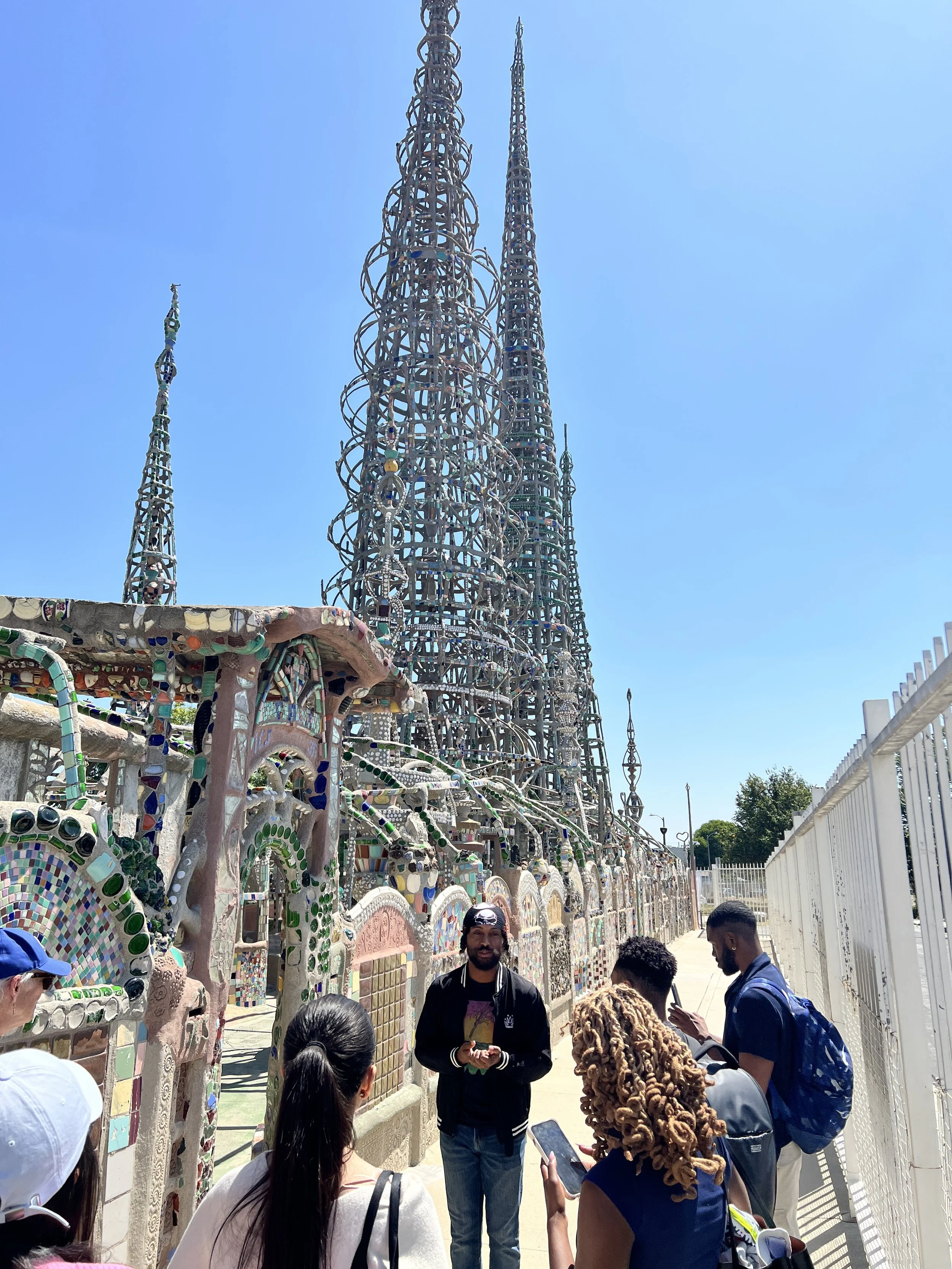
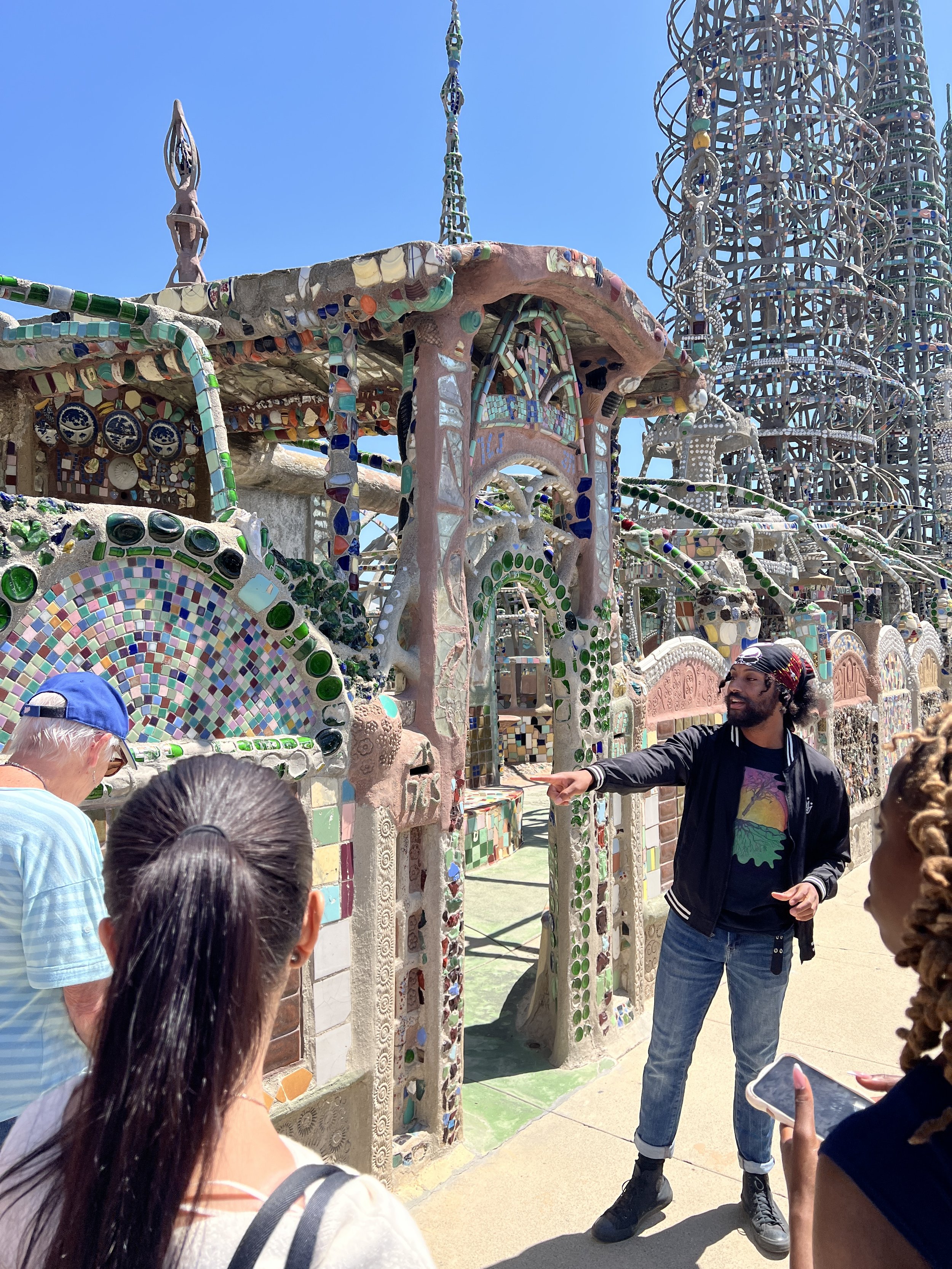
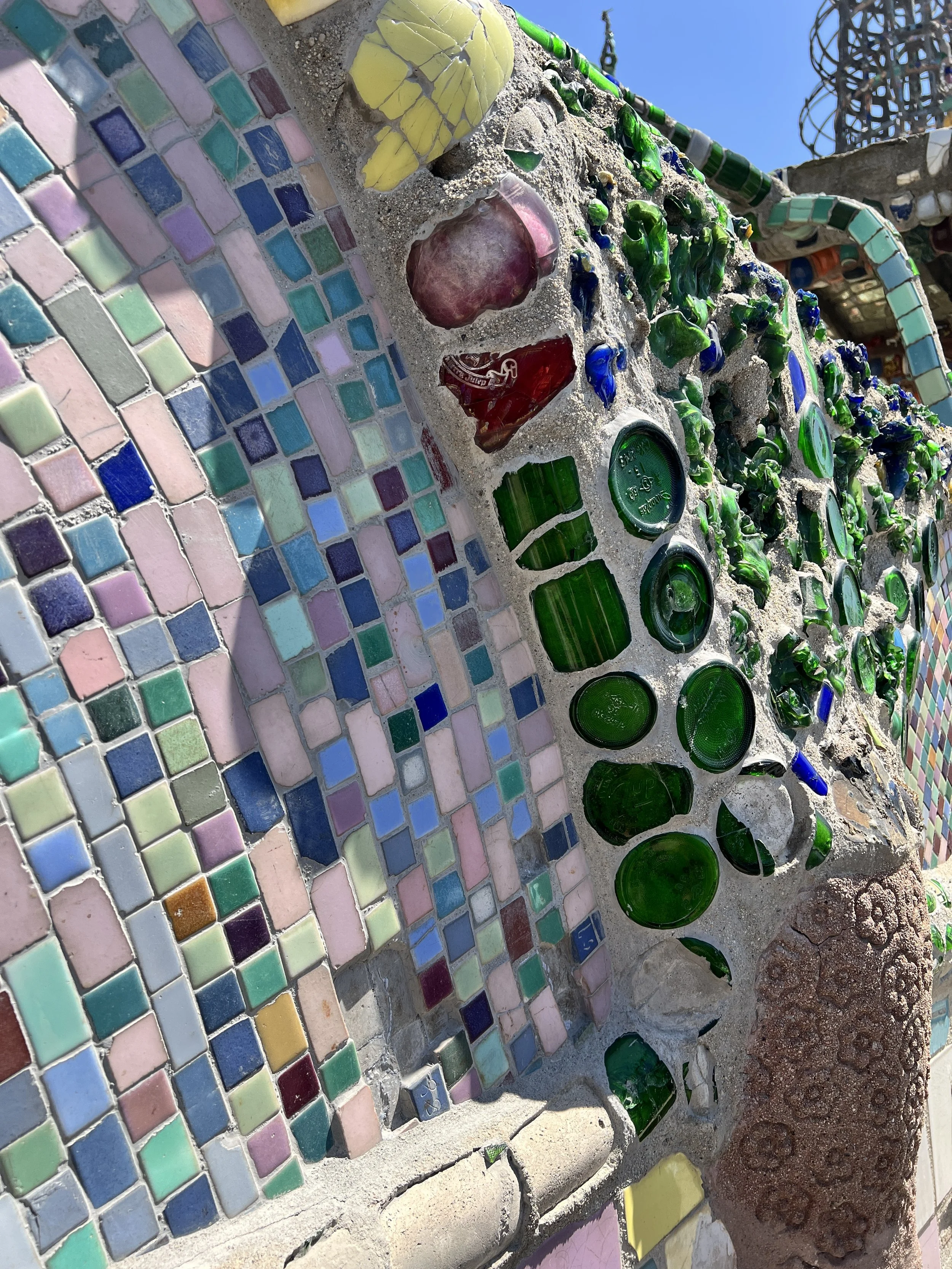
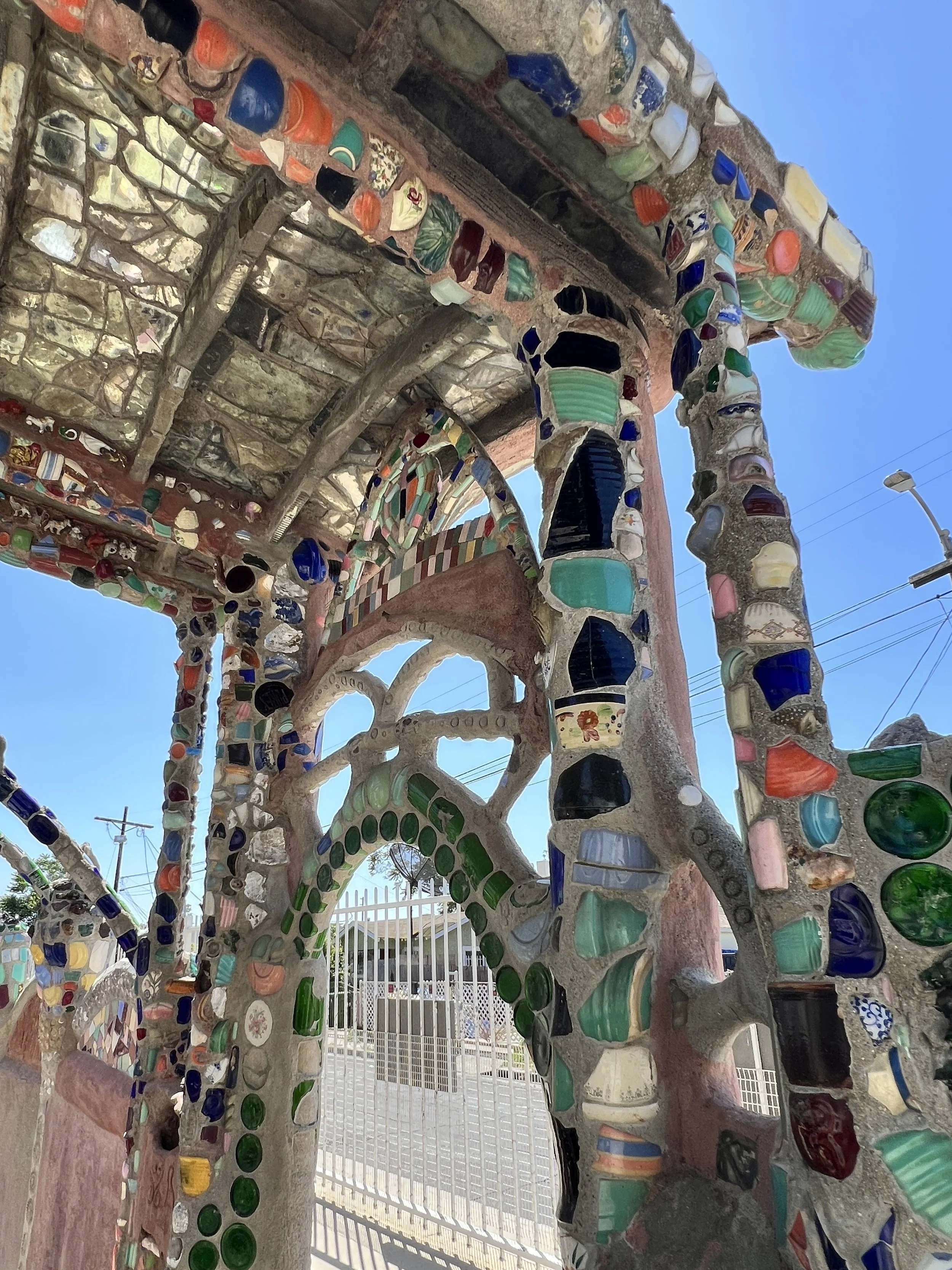
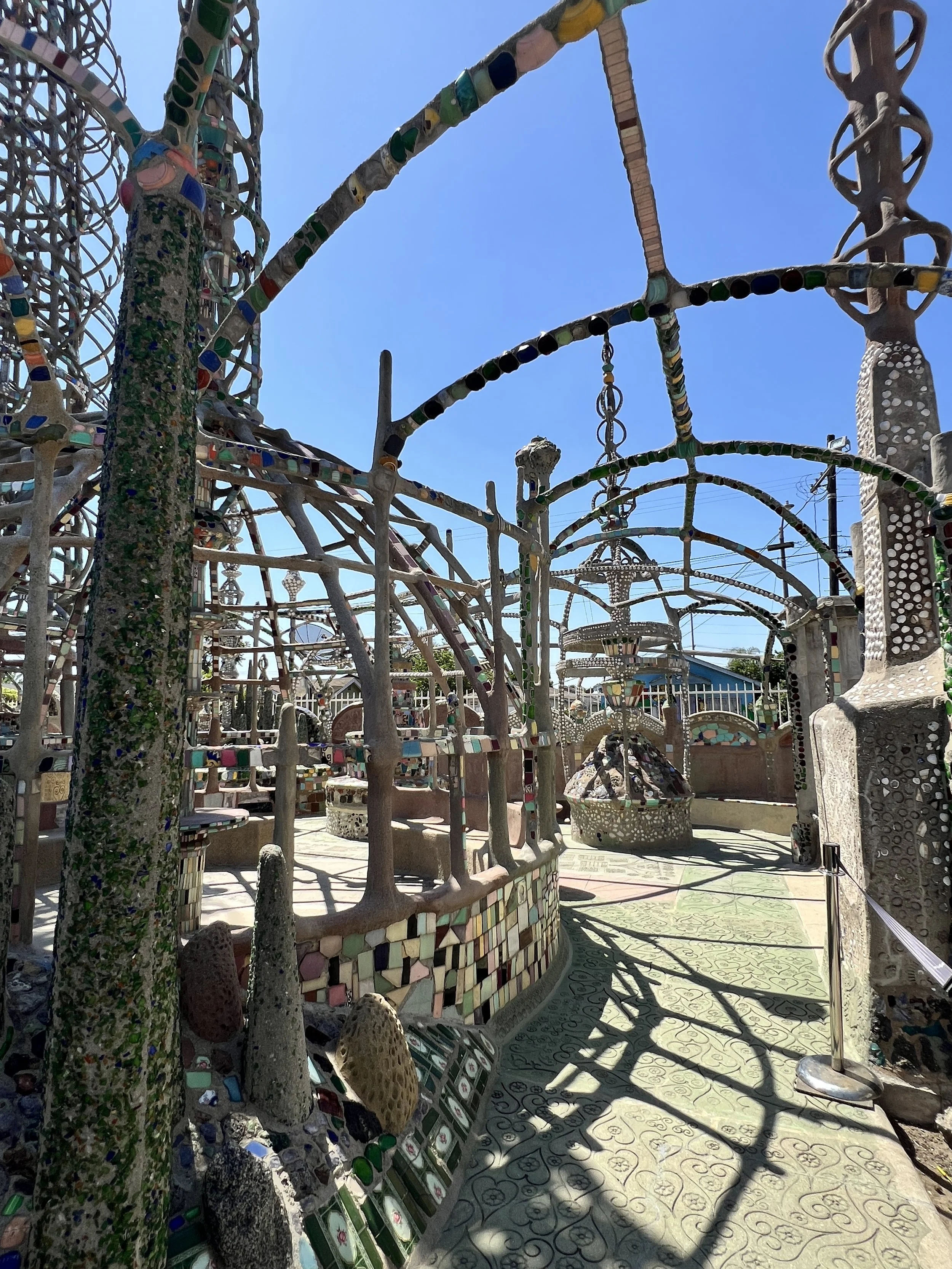
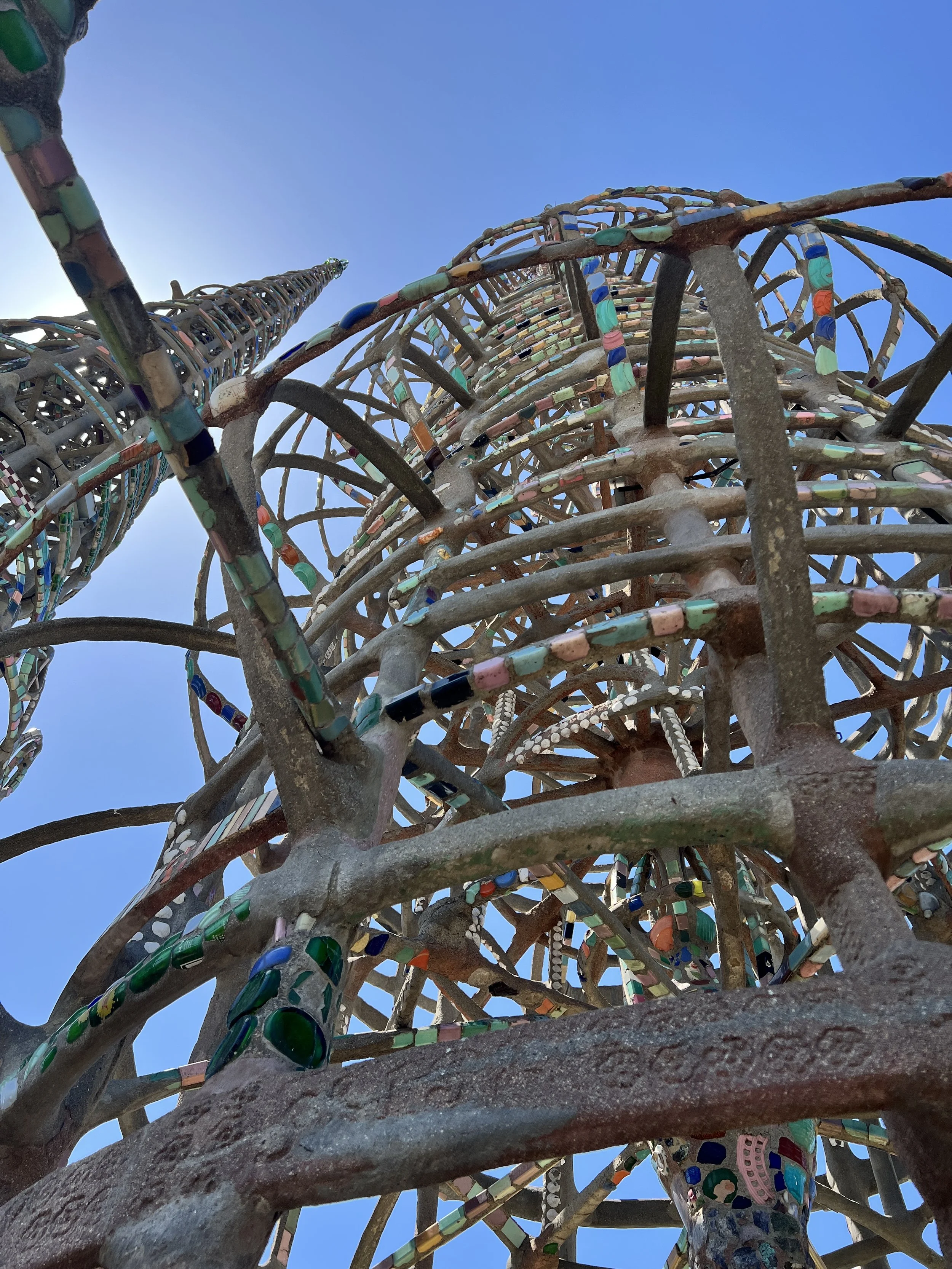
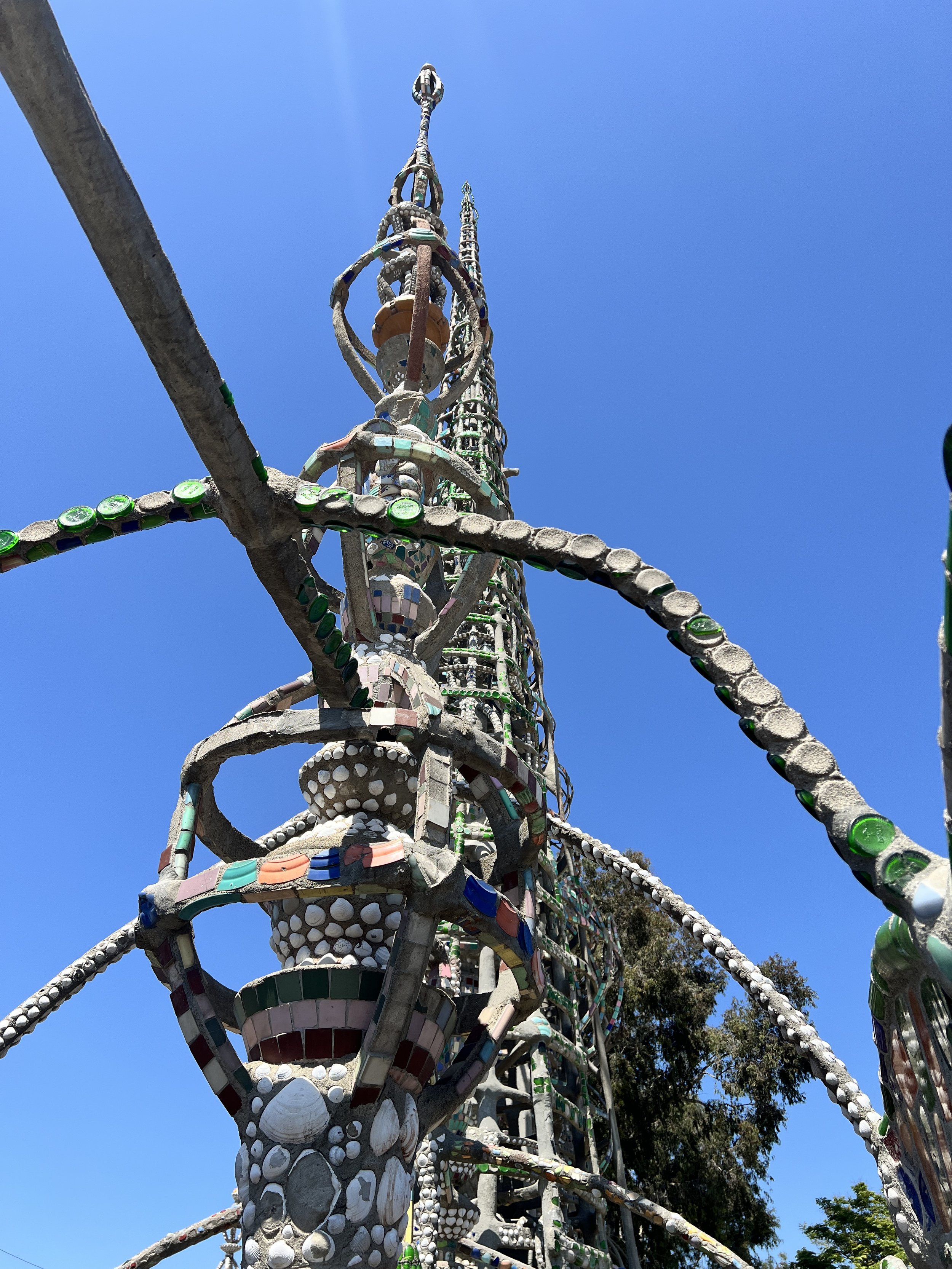
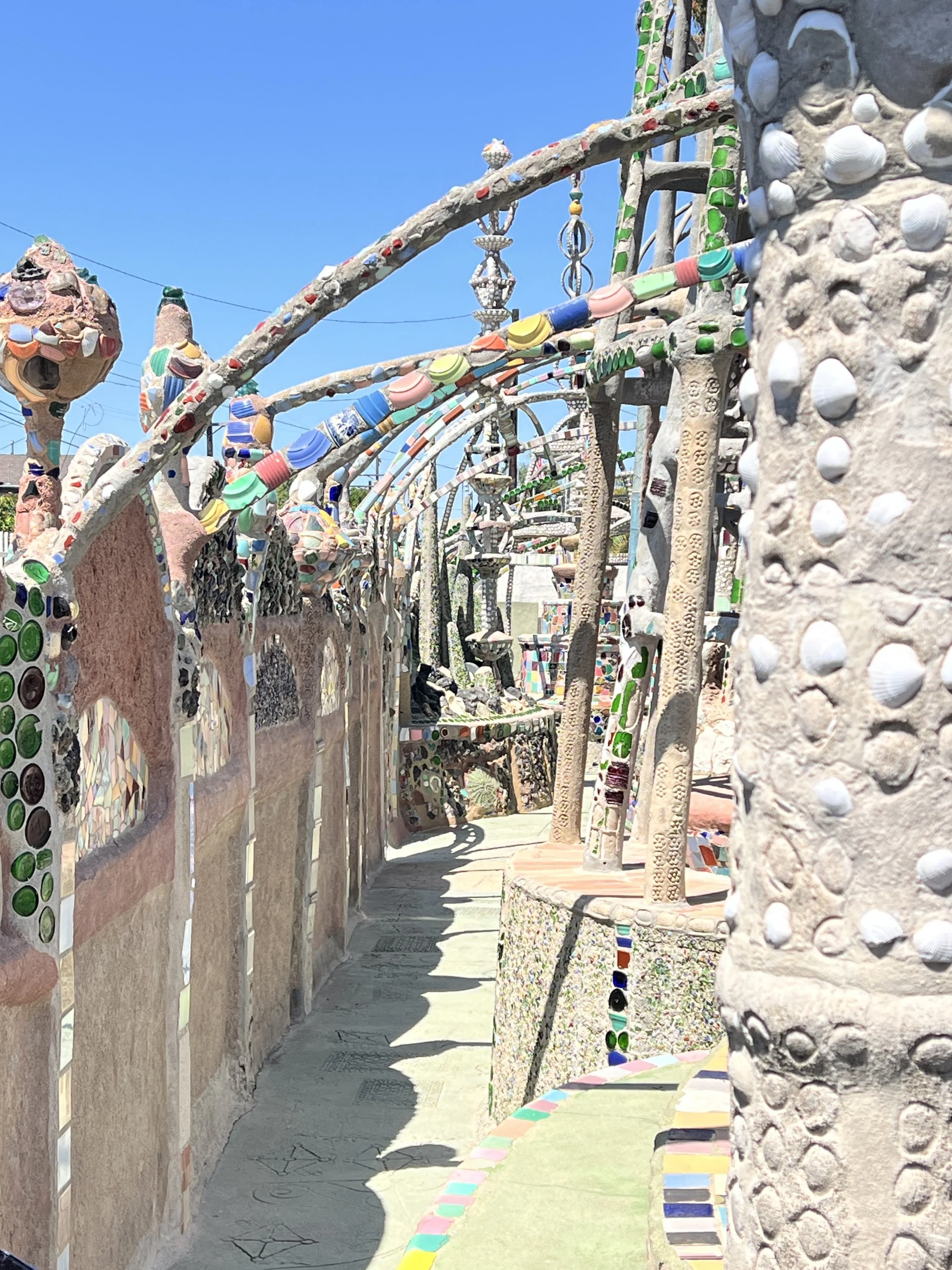
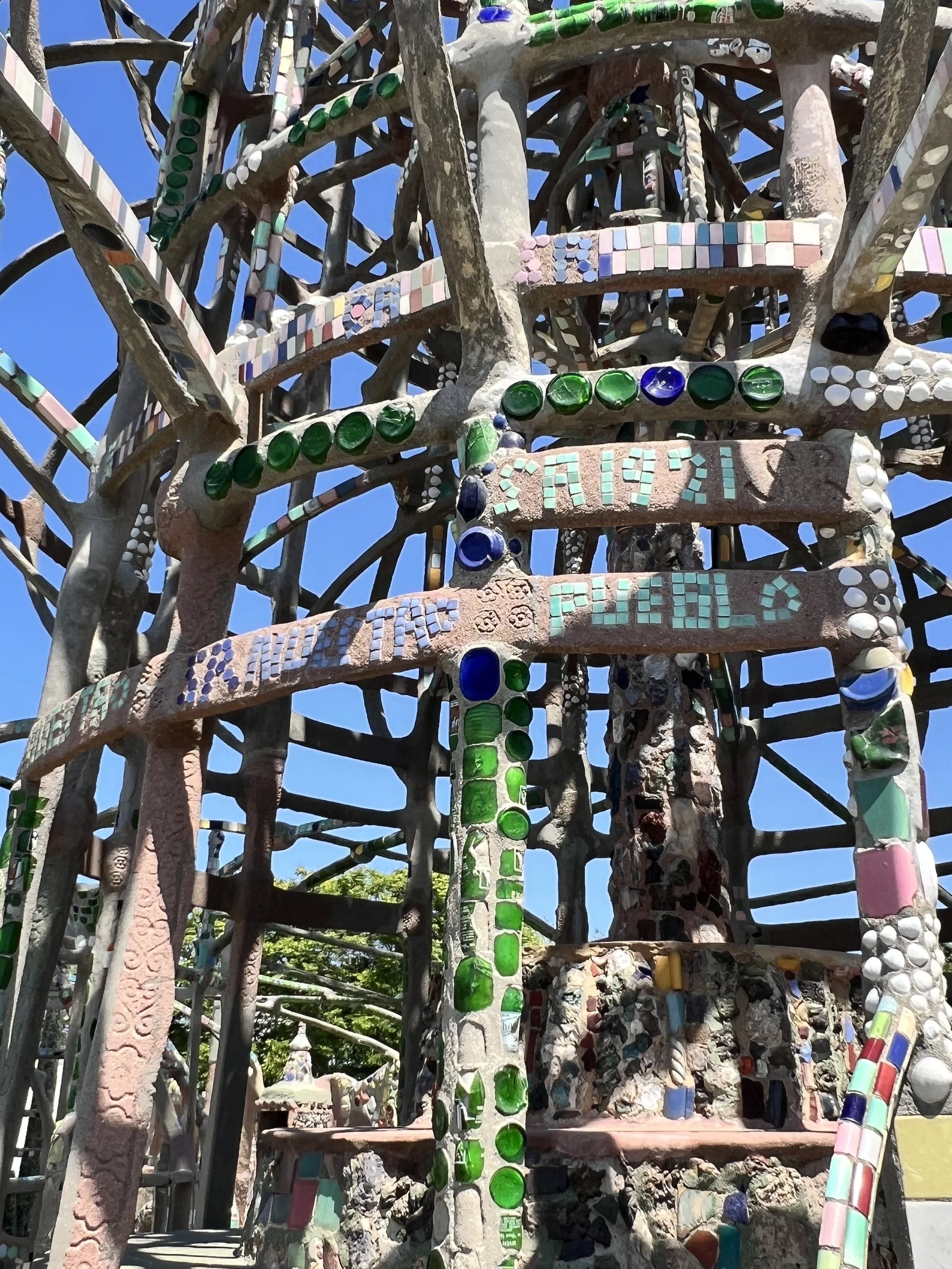
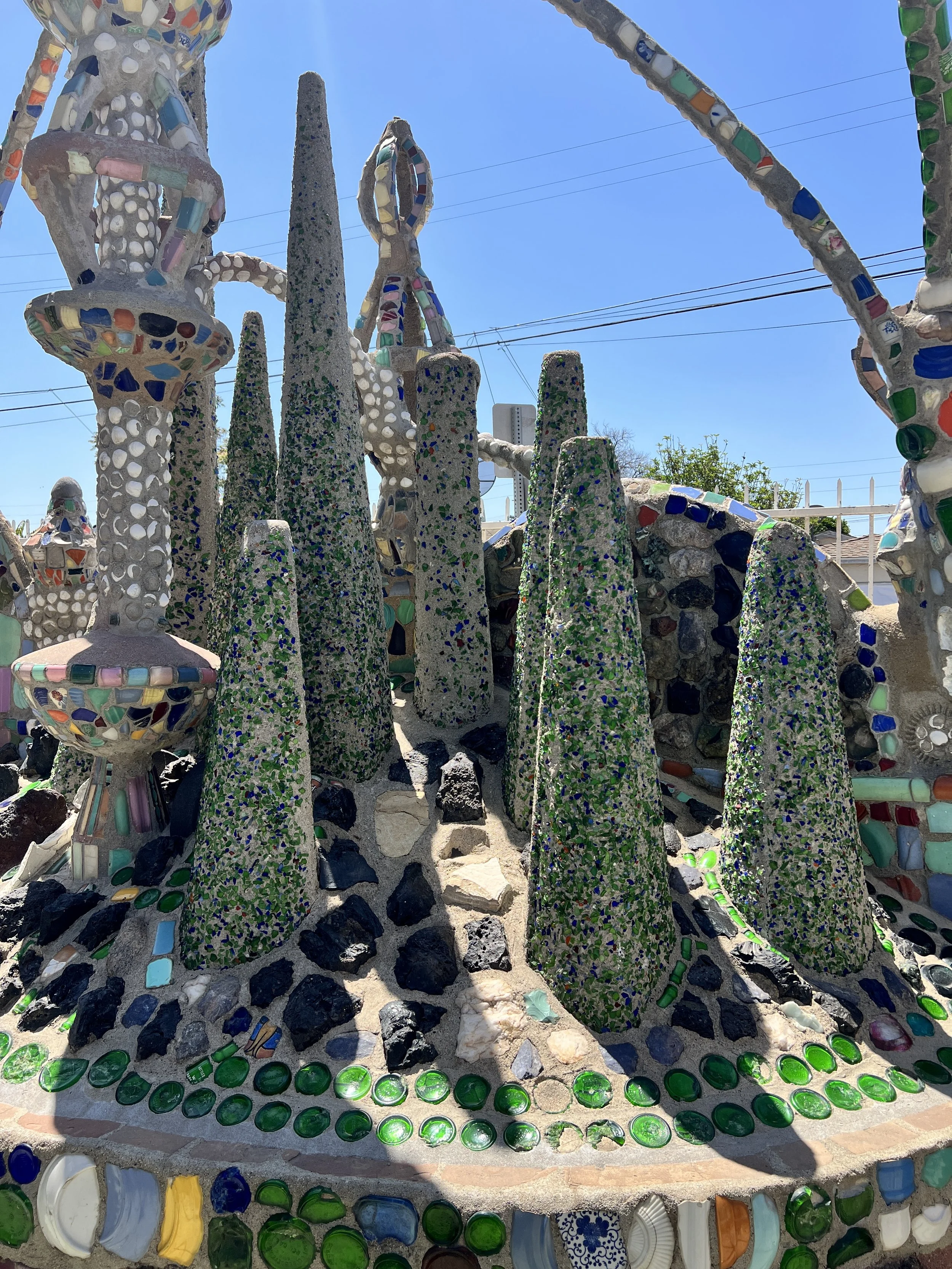
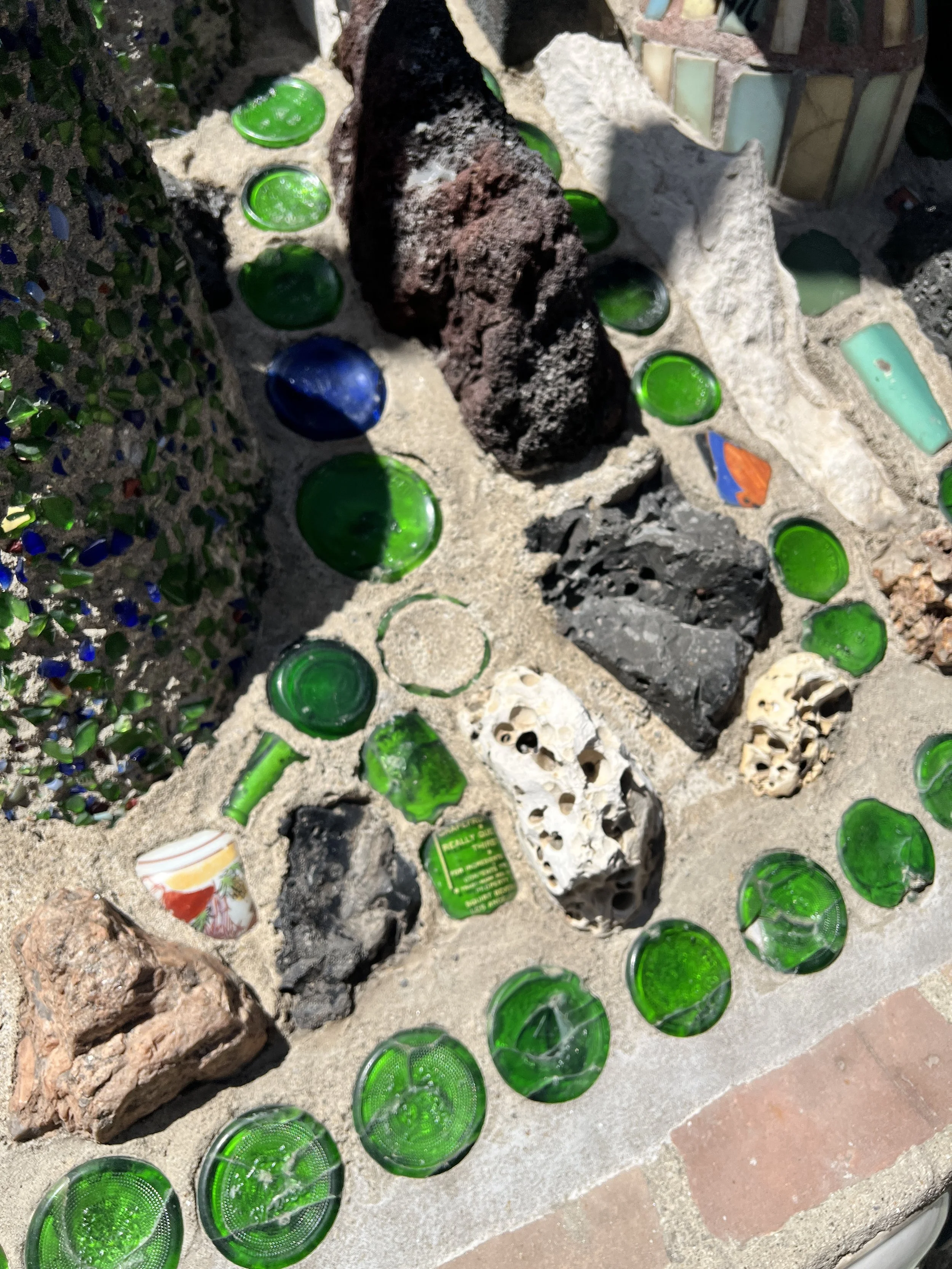
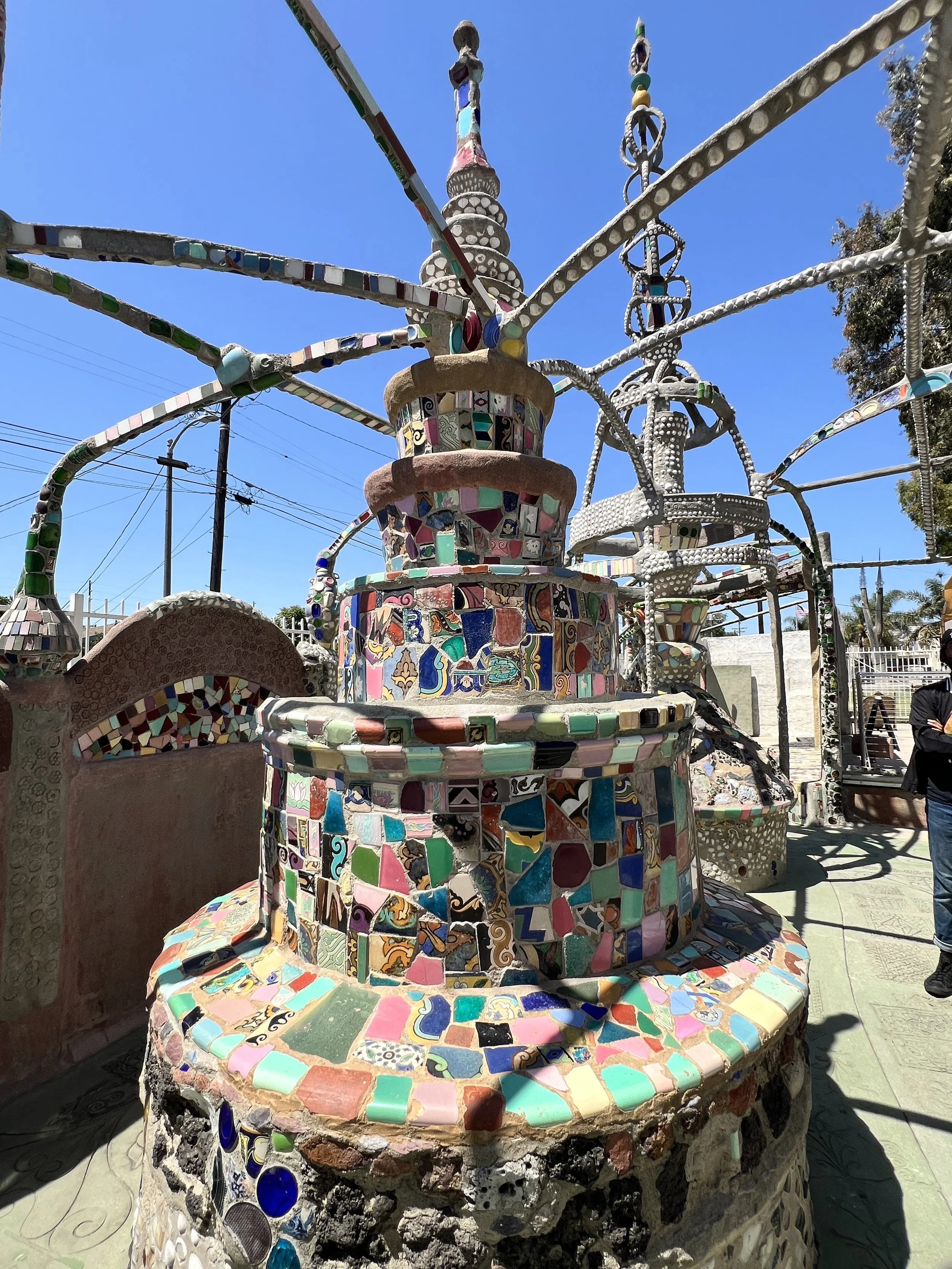
Rising unexpectedly from a quiet residential neighborhood in Watts, the Watts Towers are one of the most remarkable examples of folk art in the United States. Built almost entirely by hand over the course of 33 years by Italian immigrant Simon Rodia, the towers are a collection of soaring steel-and-mortar structures decorated with broken tiles, seashells, pottery, glass, and other found objects. Rodia worked alone without scaffolding or heavy machinery, transforming everyday discarded materials into something imaginative and deeply personal. The tallest tower reaches nearly 100 feet high, giving the site an almost dreamlike presence against the Los Angeles skyline.
Beyond their striking appearance, the towers have become a powerful symbol of creativity, perseverance, and pride for the surrounding community. After Rodia left Los Angeles in the 1950s, the structures faced possible demolition, but local residents, artists, and preservationists rallied to save them. Their successful effort helped cement the towers as not only a work of art, but also a symbol of resilience in a neighborhood that has often been unfairly overlooked or defined by hardship. Over time, the towers evolved into a cultural landmark that reflects the spirit and history of South Los Angeles while celebrating the idea that extraordinary beauty can emerge from ordinary places and materials.
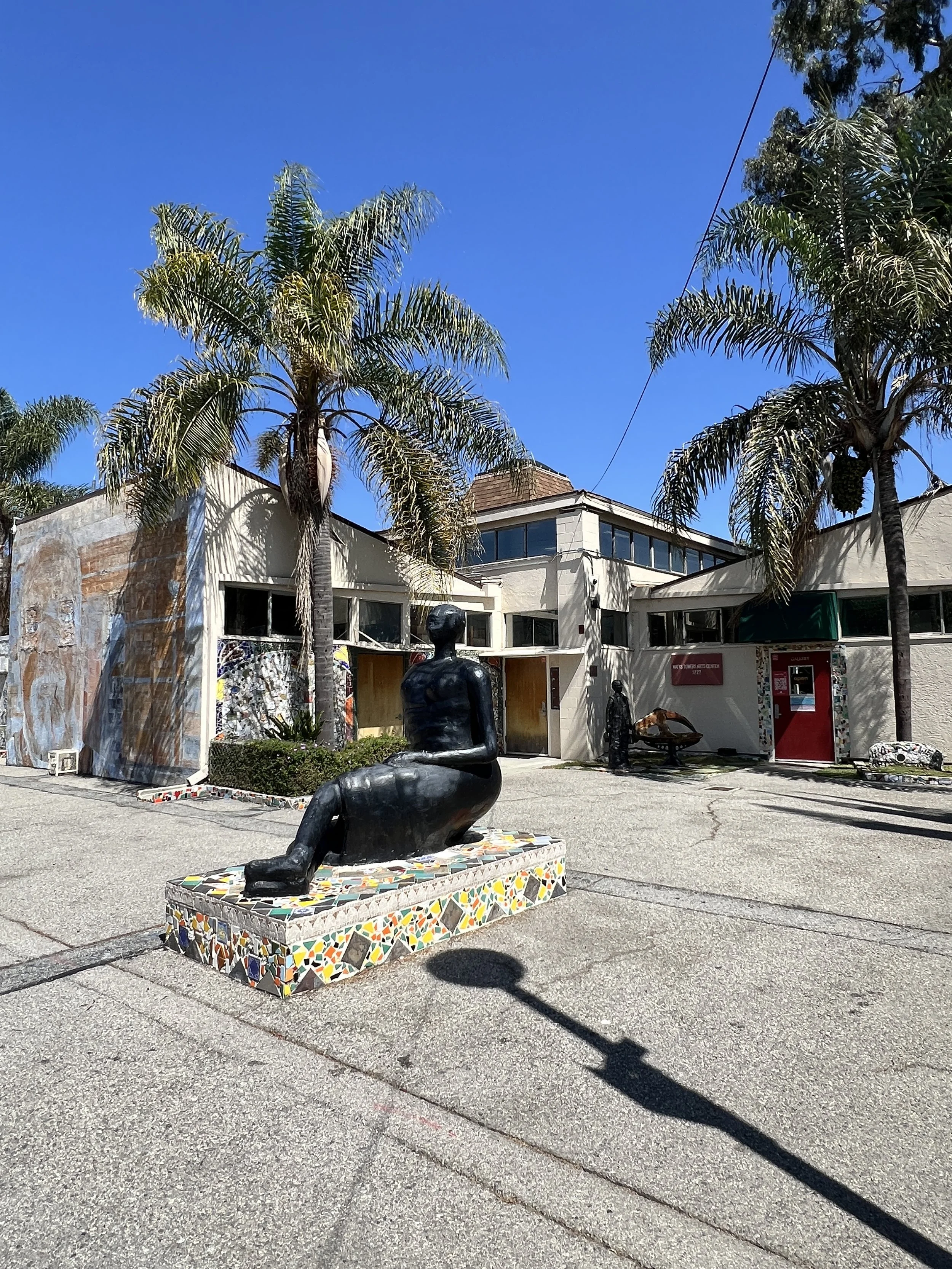
Today, the Watts Towers Arts Center continues that legacy by serving as a gathering place for art, education, and cultural celebration. Community festivals, student art programs, workshops, and performances regularly bring people together around the site, helping new generations connect with both local history and artistic expression. Visitors often leave inspired not only by the towers themselves, but by the sense of neighborhood pride and creative energy that surrounds them. In many ways, the Watts Towers stand as a reminder that public art can do more than decorate a city, it can help shape identity, preserve history, and strengthen community bonds.
Visitors can experience the towers up close through guided tours offered at the site, which provide fascinating insight into Simon Rodia’s life, building techniques, and the cultural history of the neighborhood. Tours typically walk guests through the enclosed grounds while explaining the symbolism and handcrafted details woven throughout the structures. The adjacent arts center and nearby exhibits often add additional historical context, making the visit feel both educational and personal. Exploring the Watts Towers in person offers a unique chance to appreciate not only an incredible artistic achievement, but also the enduring heart and creativity of the surrounding community.
RESOURCES:
Watts Towers Arts Center website